
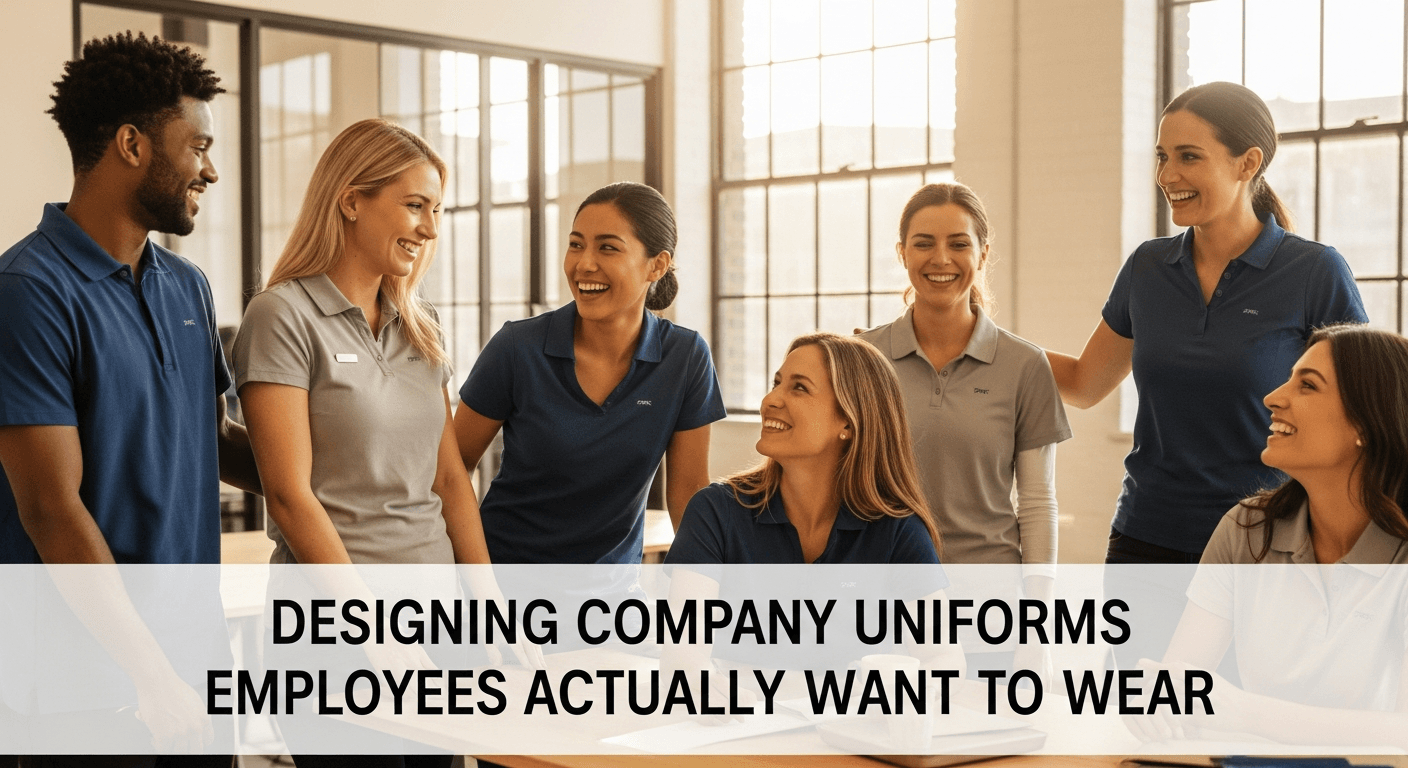
Companies must transition from rigid, uncomfortable designs to modern smart-casual aesthetics when ordering corporate uniforms for Nigerian employees. Providing highly breathable, subtly branded polos and lightweight, unstructured blazers tailored to specific body types improves daily comfort, employee morale, and overall brand pride. In a competitive corporate environment like Lagos or Abuja, the uniform is more than just a compliance requirement; it is an important touchpoint for internal brand advocacy. When a garment is engineered with the same precision as a bespoke executive suit, it is no longer a burden but rather a professional asset.
Why Traditional Bank Uniforms Often Fail
The historical failure of corporate uniforms in Nigeria, particularly in the banking and insurance sectors, is due to a disregard for the physical realities of the surrounding environment. Traditional corporate wear frequently employs heavy, fused construction and synthetic polyester fabrics that act as heat traps. In the high-humidity environments of coastal cities like Lagos, these garments cause immediate physical discomfort, perspiration, and a noticeable loss of sharp presentation by midday.
In addition to physical discomfort, outdated uniform designs cause significant psychological friction. When a garment lacks architectural form and anatomical precision, it fails to convey authority. Employees frequently experience the “security guard” effect, which involves dressing in a shapeless, scratchy, and uninspiring outfit that lacks the prestige associated with modern menswear. This results in poor compliance, frequent wardrobe malfunctions, and a general decrease in brand representation. The actual cost of a budget uniform programme is always higher than the initial investment in a premium, employee-centric wardrobe due to the need for frequent replacements and the hidden toll on staff morale.
Merging Corporate Identity with Modern Comfort
The modern HR director or brand manager must consider the company uniform from the perspective of “smart-casual authority.” This approach maintains the organisation’s professional gravitas while incorporating the technical comforts typically found in luxury leisurewear. The goal is to create a wardrobe that employees will voluntarily choose to wear due to its superior fit and aesthetic appeal.
The following are important aspects of modernisation:
- Subtle Branding: Replacing large, screen-printed logos with miniature, high-density tonal embroidery on the chest or cuff. This signals "quiet luxury” rather than loud, distracting advertisement.
- Performance Textiles: Utilising mercerised cotton, pique knits, and tropical wool blends that offer natural stretch and maximum airflow.
- Structural Versatility: Designing pieces that can be layered or deconstructed, such as a blazer that pairs as effectively with tailored trousers as it does with premium denim for business-casual Fridays.
- Colour Fastness: Ensuring that dyes are industrially stable to prevent the rapid fading that characterises low-quality corporate apparel after a handful of wash cycles.
Sizing Inclusivity and Custom Measurements
A primary driver of employee pushback is the "standard size” trap. Most uniform suppliers deliver batches of "Small, Medium, and Large" garments that ignore the diverse anatomical profiles of a Nigerian workforce. A garment that is too tight in the shoulders or excessively baggy in the waist immediately erodes the professional silhouette and creates an unkempt appearance across the branch or office.
Achieving high-performance branding requires a commitment to inclusive tailoring. This process involves:
- Professional Sizing Sets: Deploying a master tailor to regional offices in Lagos, Abuja, and Port Harcourt to conduct physical fittings using pre-constructed sizing sets.
- Anatomical Adjustments: Accounting for specific physical traits, such as varied torso lengths, shoulder slopes, and arm pitch, to ensure the garment sits flush against the body.
- Consistency Protocols: Maintaining a centralised database of employee measurements to ensure that replacement items or new hires receive garments that match the existing fleet in both fit and finish.
Designing Premium Polos and Lightweight Blazers
The "New Corporate Uniform" is anchored by two primary assets: the premium polo and the unstructured blazer. These pieces provide a professional framework that is optimised for the Nigerian climate and the demands of modern office life.
The Premium Corporate Polo
The elite corporate polo is not a standard promotional t-shirt. It is a technical garment constructed from 100% mercerised cotton or high-performance pique. The mercerisation process gives the cotton a silk-like lustre and increases its ability to retain dye, ensuring the corporate colours remain vivid. The construction must include:
- Reinforced Collars: Utilising internal "stays" or high-density stitching to prevent the collar from curling or collapsing—a common sign of low-quality manufacturing.
- Taped Neck Seams: Providing additional comfort and preventing the garment from stretching out of shape over time.
- Side Slits: Allowing the polo to be worn untucked in more casual settings without appearing sloppy.
The Unstructured, Lightweight Blazer
To maintain authority without the stifling heat of a traditional suit, companies are increasingly turning to the unstructured blazer. This garment eliminates the heavy internal padding and thick polyester linings found in mass-market luxury retail. Instead, the blazer features half-lined or unlined interiors, utilising Bemberg silk only in the sleeves and upper back to allow heat to escape the body.
Materials such as high-twist wool or linen blends ensure the garment maintains its shape and resists wrinkling during long commutes and back-to-back meetings. The result is a jacket that feels as light as a shirt but projects the undeniable authority of a formal suit.
The transition from a rigid uniform to a modern, employee-centric wardrobe requires a strategic partner capable of delivering bespoke-level quality at a corporate scale. Initiating a professional wardrobe consultation allows organisations to audit their current strategy and develop a high-performance wardrobe that boosts morale and projects undeniable brand authority. When employees feel respected by the quality of their clothing, they represent the organisation with a level of pride that no manual can mandate.