
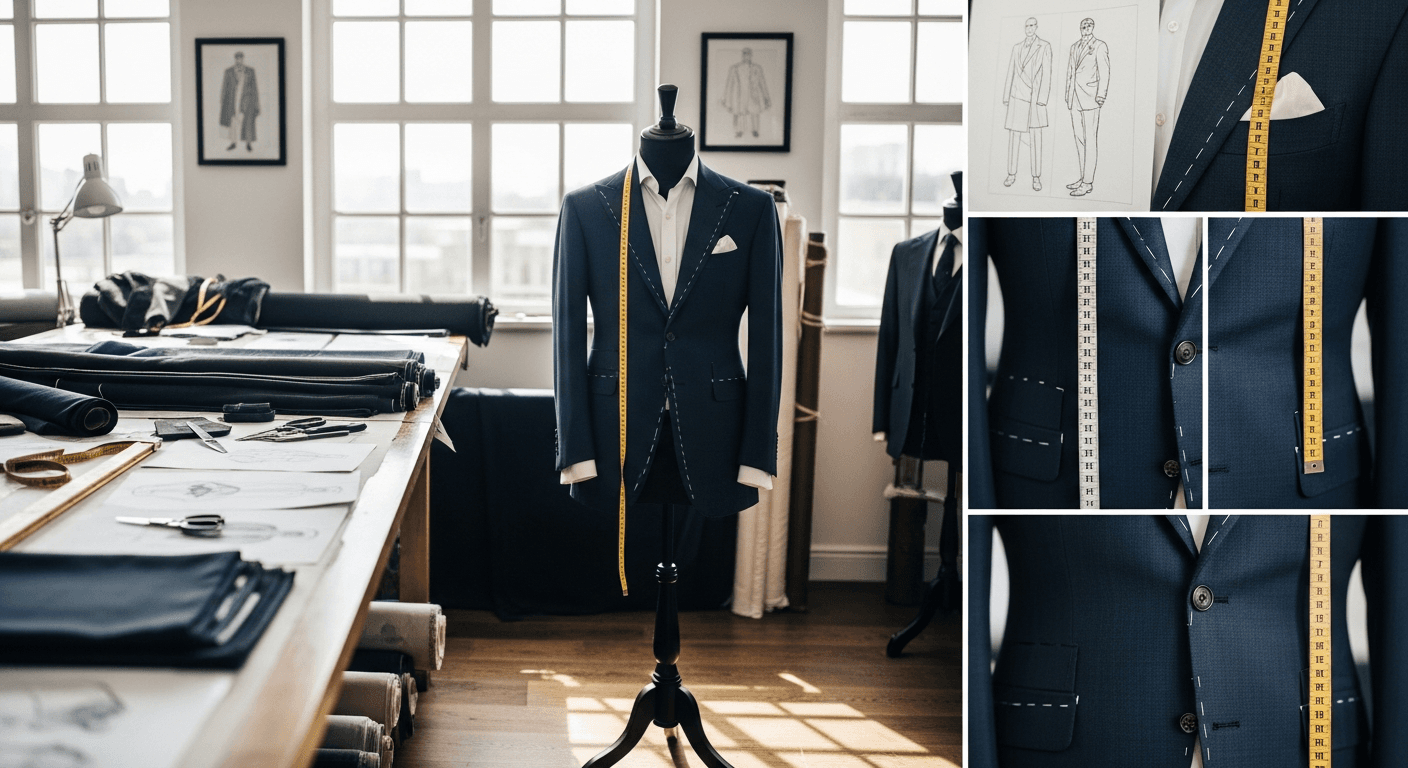
Designing a bespoke wedding suit in Lagos enables the groom to control every structural detail, from lapel width to custom monogramming. To ensure a perfect fit, grooms should schedule their initial consultation at least eight to ten weeks before the wedding, which allows enough time for fabric importation and multiple precision fittings. For the affluent groom, wedding attire is never a rental or a last-minute afterthought; it is a masterclass in architectural tailoring. It requires the same rigours of executive presentation as in the boardroom, but is meticulously tailored for the most photographed day of a man’s life.
Why the groom’s suit should anchor the wedding aesthetic.
The groom’s attire is the sartorial anchor for the entire wedding party. While the bridal gown frequently determines the overall visual theme, the groom’s suit sets the strict standard for formality, structure, and masculine elegance. A luxury Lagos wedding, which frequently transitions from a solemn cathedral ceremony to a high-energy, opulent reception, requires the groom to maintain complete visual authority throughout the day. This is why understanding venue-specific sartorial requirements is essential for avoiding wardrobe failure.
A mass-produced suit’s structural flaws are immediately apparent in high-definition wedding photography. Collapsed shoulder pads, fabric pulling across the chest, and a lifeless, static drape all indicated a lack of refinement. Bespoke tailoring completely eliminates these variables. The jacket’s floating horsehair canvas interior allows it to conform organically to the groom’s torso. This design ensures a flawless silhouette that flows smoothly through hours of celebration. Furthermore, a custom commission enables the groom to incorporate subtle design enhancements such as a uniquely sculpted waistcoat, a precise trouser break, or exclusive interior silk linings that instantly distinguish him from his groomsmen.
Choosing High-Performance Luxury Fabrics
Navigating the Nigerian climate requires strategic and uncompromising textile selection. A heavy, synthetic-blend suit will immediately reduce the groom’s comfort, resulting in visible perspiration and fatigue. The ultimate bespoke wedding suit is made entirely of natural, high-performance fibres sourced only from elite European mills. For the Lagos groom, striking a balance between razor-sharp drape and active thermoregulation is critical.
- High-Twist Worsted Wool (Scabal): Sourced from legendary mills, these fabrics in the S130s to S150s range offer an "open weave”. A 260-grammeme to 280-grammeme cloth strikes the perfect balance for the local climate, facilitating continuous airflow while maintaining enough body to resist creasing during long automotive transits.
- Merino and Silk Blends (Loro Piana): Blending ultra-fine wool with silk provides the garment with an exceptional, subtle lustre. This combination is highly sought after for grooms who want their suit to subtly catch the light during evening photography.
- Bemberg Silk Linings: Replacing the stifling polyester found in standard off-the-rack luxury menswear, a Bemberg or cupro lining is non-negotiable. It actively wicks moisture away from the body, protecting the exterior wool shell from perspiration damage and ensuring the groom remains cool under heavy lighting.
Peak Lapel vs. Shawl Collar for Evening Elegance
The lapel is the architectural focal point of the wedding suit or tuxedo, directly dictating the garment's level of formality and visual impact. For evening elegance, the choice strictly narrows to two classic styles, both requiring premium silk facing.
- The Peak Lapel: The most commanding and aggressive option. Pointing sharply upward towards the shoulders, the peak lapel mathematically broadens the chest and tapers the waist, creating a highly masculine "V" shape. A premium peak lapel should measure between 3.5 and 4 inches, avoiding the anaemic proportions of fast-fashion trends. It is the definitive choice for a highly formal, cathedral-to-ballroom transition.
- The shawl collar: defined by a continuous, sweeping curve of silk, the shawl collar projects relaxed, vintage luxury. It lacks the sharp angles of the peak lapel, making it exceptionally well-suited for high-end marquee receptions, outdoor garden events, or sophisticated evening galas.
Regardless of the chosen lapel, true exclusivity lies in the facing material. Upgrading from standard shiny satin to a matte, ribbed grosgrain silk instantly elevates the garment, communicating a deeply refined aesthetic favoured by true menswear connoisseurs.
Timeline for Commissioning a Groom’s Suit
True luxury architecture can’t be rushed. Creating a custom wedding commission necessitates a deliberate, uncompromising timeline. Because premium fabrics must be imported and the garment is created entirely from scratch, the process must begin at least eight to ten weeks before the event date to relieve the groom of any logistical concerns.
- Weeks 1–2: Sourcing and Architecture. The timeline begins with an intensive wardrobe consultation. During this session, the exact physical demands of the venue are analyzed, the fabric is selected from international swatch books, and the structural design is locked in.
- Weeks 4–5: The Basted Fitting. The suit is temporarily assembled using white basting thread. This critical stage allows the master tailor to sculpt the garment specifically to the groom's posture, mathematically adjusting the shoulder drop, sleeve pitch, and waist suppression before final machine stitching occurs.
- Weeks 7–8: The Forward Fitting and Detailing. The suit is structurally complete. Minor microscopic adjustments to the hem and sleeve length are executed. Hand-finished details, including customised monogramming inside the breast pocket and hand-sewn buttonholes, are perfected.
- Week 9: The Final Delivery. The groom takes possession of a flawless, zero-compromise garment well ahead of the wedding week.
Commissioning a bespoke wedding suit is a definitive investment in personal legacy. It guarantees that the groom commands the room, remains entirely insulated from the discomfort of the local climate, and is visually distinguished by the absolute pinnacle of sartorial craftsmanship.